
Insights on Criminal Defense Law

Louisiana State Capitol in Baton Rouge, where SB 523 (Act 526) was passed

Louisiana Now Requires Courts to Weigh a Defendant’s Abuse History: What SB 523 Actually Changes

Louisiana’s new Act 526 (SB 523) requires courts to weigh a defendant’s documented history of domestic abuse, human trafficking, or sexual assault at sentencing, and opens earlier clemency for survivors serving life. Here is what defense counsel need to know before it takes effect August 1, 2026.

Louisiana Now Requires Courts to Weigh a Defendant’s Abuse History: What SB 523 Actually Changes Read Post »

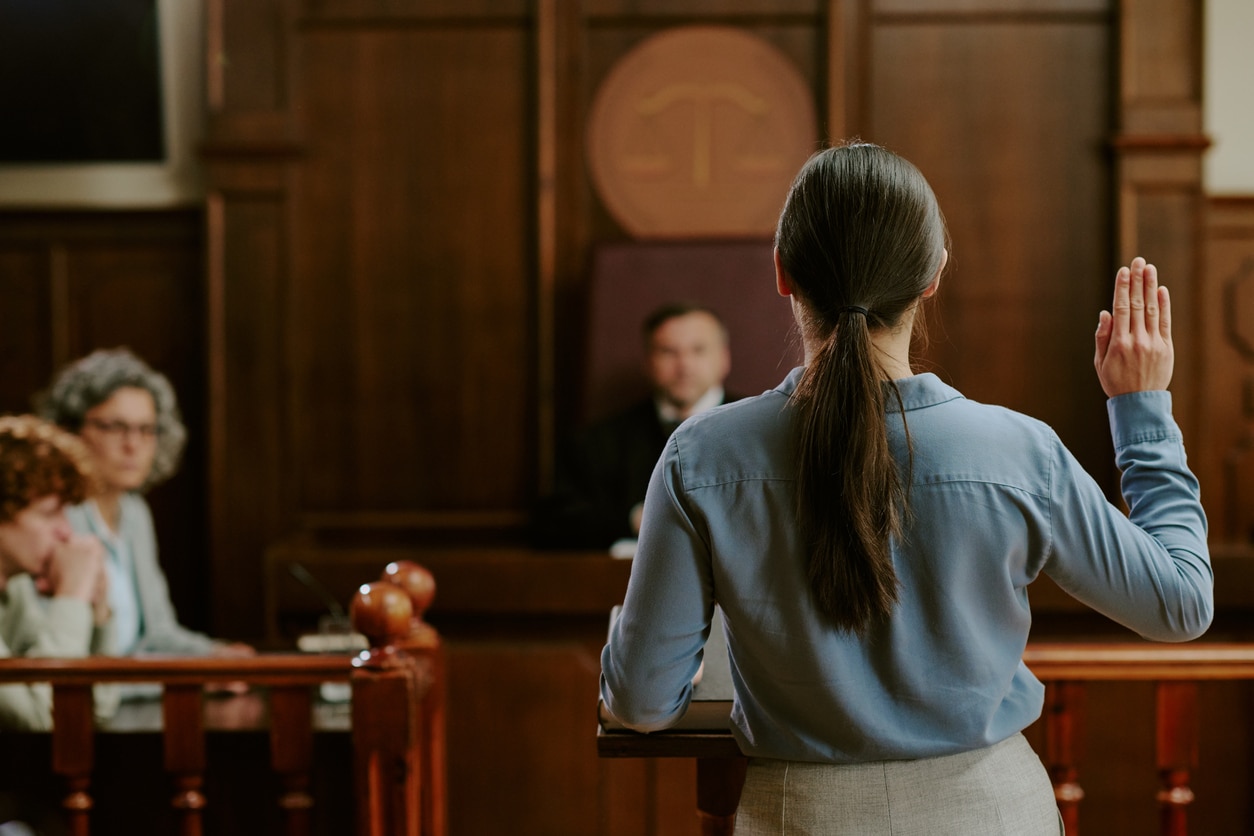
Young Caucasian Woman Testifying in Courtroom during Legal Proceedings

Recess Rules & Right to Counsel: Supreme Court Confronts Trial Judge Restrictions on Defendant Testimony

In Villarreal v. Texas, the Supreme Court will decide whether trial judges can restrict a testifying defendant’s ability to consult with counsel during trial recesses. The case raises critical Sixth Amendment questions about effective assistance of counsel versus trial judge discretion in managing witness testimony.

Recess Rules & Right to Counsel: Supreme Court Confronts Trial Judge Restrictions on Defendant Testimony Read Post »

Person texting on a smartphone illustrating the digital evidence in a Louisiana online solicitation defense case

Geofence Warrants at the Crossroads: The Supreme Court Faces Fourth Amendment Privacy in the Digital Age

In Chatrie v. United States, the Supreme Court will decide whether law enforcement can use geofence warrants to identify all cell phone users in a location without violating the Fourth Amendment. These reverse searches cast a dragnet across areas and identify everyone nearby, raising critical privacy questions for criminal defense.

Geofence Warrants at the Crossroads: The Supreme Court Faces Fourth Amendment Privacy in the Digital Age Read Post »

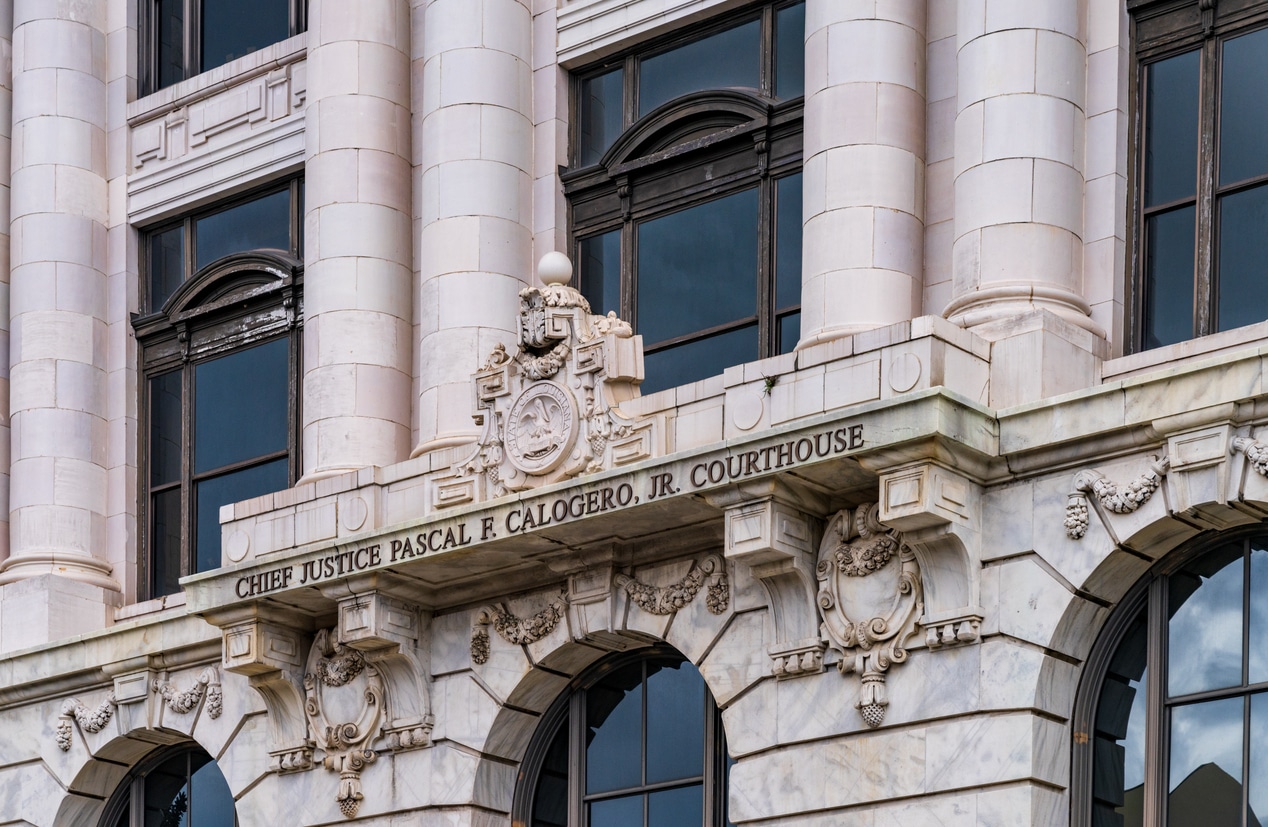
Facade of Louisiana Supreme Court Courthouse in New Orleans

Structural Error or Strickland? Louisiana Supreme Court Clarifies Post-Conviction Review When Counsel Prevents Defendant Testimony

In State v. Jarvis Turner (March 6, 2026), the Louisiana Supreme Court held that when a defendant claims trial counsel prevented him from testifying, the claim is reviewed under Strickland v. Washington’s ineffective assistance framework, not as automatic structural error. Post-conviction counsel must now prove both deficient performance and prejudice to prevail.

Structural Error or Strickland? Louisiana Supreme Court Clarifies Post-Conviction Review When Counsel Prevents Defendant Testimony Read Post »

Scroll to Top