Written by Jarrett Ambeau, trial attorney, court-qualified expert in forensic DNA interpretation, and holder of a Master of Science in forensic DNA and serology, at The Ambeau Law Firm.
What is a forensic science lawyer in Louisiana?
A forensic science lawyer is a criminal defense attorney who tests the scientific evidence prosecutors use to secure convictions. Modern cases lean on DNA, fingerprints, firearms and toolmark analysis, digital forensics, and toxicology — disciplines juries assume are objective. Many of these methods carry real error rates, depend on analyst judgment, and have drawn serious scrutiny from the scientific community.
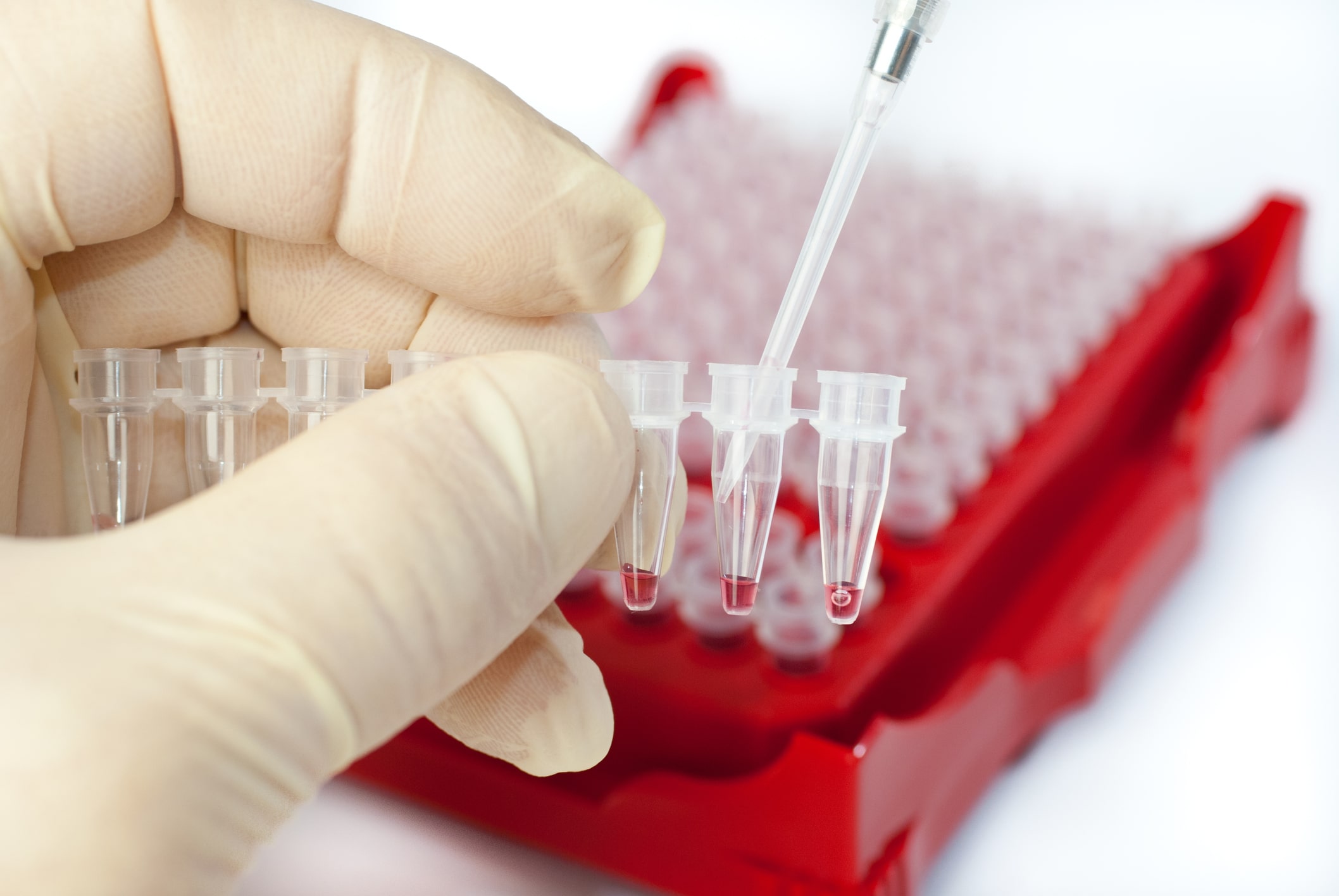
A forensic science lawyer understands both the methods and their limits, cross-examines crime-lab technicians, and works with independent experts to expose flawed testing or overstated conclusions. My background is in the science itself — a Master of Science in forensic DNA and serology, and court qualification as an expert in forensic DNA interpretation — which is why the firm meets scientific evidence on its own terms rather than deferring to the lab report. Undermining questionable forensic evidence can lead to suppression, reduced charges, or acquittal. To discuss the forensic evidence in your case, call 225-330-7009 for a confidential consultation.
What does a forensic science lawyer do?
The work combines courtroom advocacy with a working command of scientific method: reading a lab report critically, cross-examining analysts effectively, and partnering with independent experts to surface weaknesses the prosecution would rather leave unspoken. Our approach includes:
- Independent review. We obtain the underlying data — bench notes, calibration records, validation studies — not just the summary conclusion.
- Expert consultation. We work with respected forensic scientists to evaluate the state’s methods and results.
- Rigorous cross-examination. We probe the assumptions, error rates, and limits of each discipline.
- Motions to exclude. Where evidence is unreliable, we move to limit or suppress it.
Which forensic disciplines do we challenge?
Each of these disciplines has its own science, its own limits, and its own way of going wrong. Follow the links for a deeper look at how we fight each one.
- DNA and mixture interpretation. Contamination, low-template samples, and complex mixtures can produce misleading results.
- Firearms and toolmark analysis. The scientific basis for many “matches” has been questioned by leading research bodies.
- Fingerprint and latent print comparison. Latent-print identification involves subjective judgment and documented error.
- Digital forensics and phone extractions. Data pulled from a device is often incomplete, misattributed, or stripped of context.
- Cell-site location data. Tower records show a broad coverage area, not a precise location, and juries are told otherwise.
- Bloodstain pattern analysis. Reconstructing an event from stains is far more subjective than it looks.
- Toxicology and chemistry. Handling, storage, calibration, and testing errors can move a blood or breath result.
Why can forensic evidence be wrong?
National reviews of forensic science have repeatedly found that some methods lack rigorous validation, that error rates are often unknown, and that cognitive bias can influence results. A forensic science lawyer knows that a confident-sounding conclusion is not the same as a scientifically sound one — and a jury deserves to hear the difference.
Related defense services
Forensic issues cut across every serious case. Our forensic DNA litigation work is closely tied to our defense of homicide and violent-crime charges. If your case turns on DNA, our DNA attorney and DNA evidence challenge lawyer services may be exactly what you need. You can also explore our full Louisiana criminal defense practice.
Frequently asked questions
Can forensic evidence really be challenged in court?
Yes. Forensic evidence is subject to the same scrutiny as any other evidence. A forensic science lawyer can challenge the methods, the analyst’s conclusions, and the reliability of the underlying discipline — and, where the science does not hold up, move to limit or exclude the testimony entirely.
Do you use outside experts?
Often, yes. Independent experts can review the state’s work and testify about errors, uncertainty, and the limits of a given method. Because I read the underlying data myself, I can direct that outside review to the precise points where the state’s analysis is weakest.
When should I hire a forensic science lawyer?
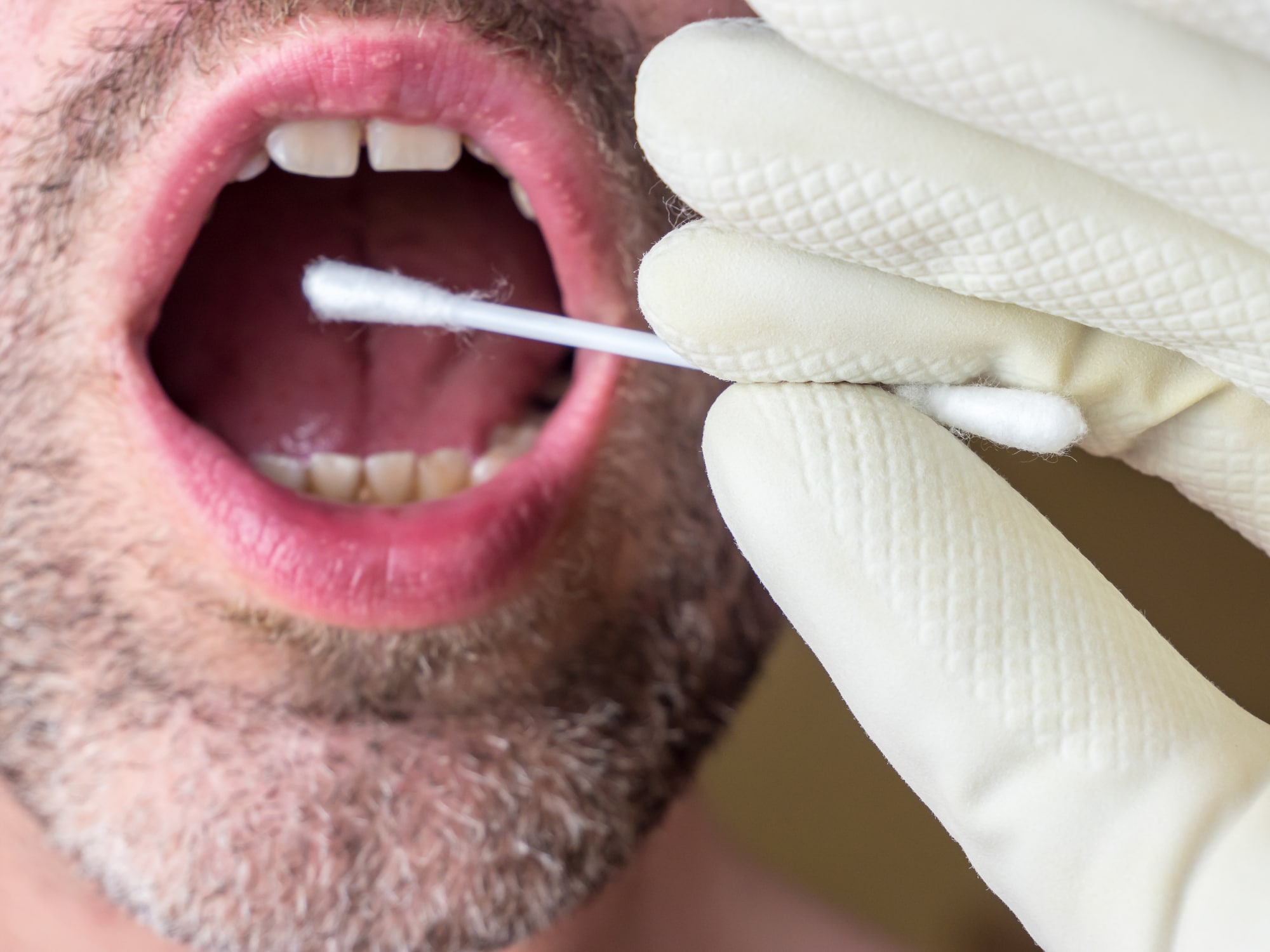
As early as possible. The sooner we can preserve evidence and secure independent testing, the stronger the defense will be. Once a sample is consumed or a device is altered, the chance to test the state’s conclusions can be lost, so early involvement matters.
Authoritative resources
For an authoritative overview of forensic science standards and research, see the National Institute of Justice, the research arm of the U.S. Department of Justice. Understanding what the science can and cannot show is central to a strong defense.
How The Ambeau Law Firm can help
When the prosecution leans on science, you need a defense that can meet it directly. The Ambeau Law Firm pairs trial experience with genuine forensic expertise to expose the flaws in the state’s case.
Does your case involve forensic evidence? Two questions help us focus a first call: has an arrest already been made, and is this a state or federal matter? Check Jarrett’s availability for your case or call 225-330-7009 to speak with a Louisiana forensic science lawyer.
Related resources: our DNA attorney practice focuses on challenging DNA evidence in criminal cases.