
Federal Drug Crime Defense in Louisiana
Written by Jarrett Ambeau, trial attorney, court-qualified forensic DNA expert, and lead counsel at The Ambeau Law Firm.
What are federal drug crimes? They are Controlled Substances Act offenses, chiefly possession with intent to distribute and distribution under 21 U.S.C. section 841, and conspiracy under section 846. Federal drug cases carry mandatory minimum sentences tied to drug type and weight, and they are prosecuted aggressively.
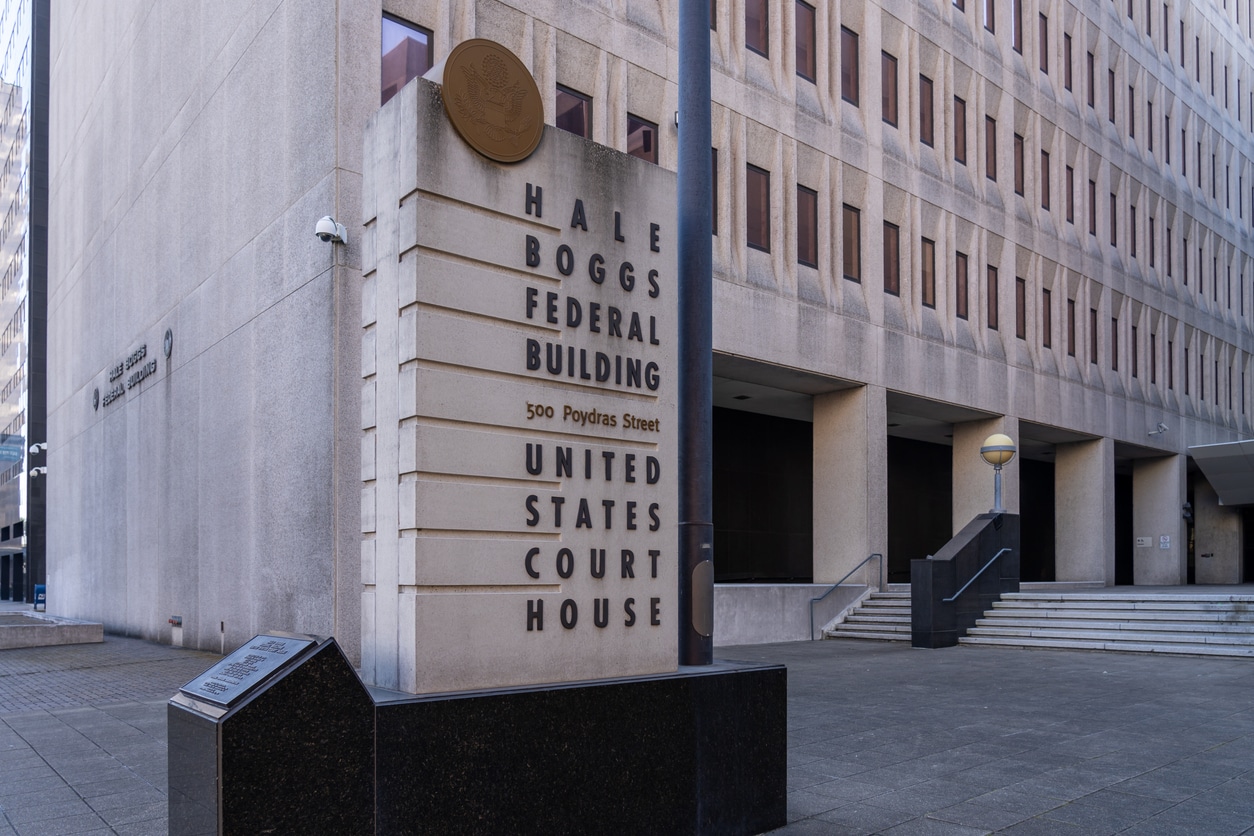
Federal drug charges are far more serious than their state counterparts. The sentences are governed by mandatory minimums and by drug weight, prosecutors bring the full resources of task forces and wiretaps, and a conspiracy charge can pin the whole operation’s quantity on one person. A case like this has to be fought carefully, from the search to the scale.
I am Jarrett Ambeau. I have tried more than sixty felony jury trials to verdict, and I am a court-qualified forensic expert. Federal drug cases turn on the legality of the search and the reliability of the lab testing, and that is where I focus.
Quick answers
- What it is: Controlled Substances Act offenses under 21 U.S.C. sections 841 and 846.
- The penalty: mandatory minimums of five or ten years and up, driven by drug type and weight.
- The key issue: the legality of the search, the drug quantity attributed, and the lab testing.
- What to do first: say nothing to agents and get a lawyer involved immediately.
What counts as a federal drug crime?
The main charges are possession with intent to distribute and distribution under 21 U.S.C. section 841, along with importation, manufacturing, and, critically, conspiracy under section 846. Federal jurisdiction typically attaches when there are larger quantities, interstate or international movement, or a multi-defendant investigation. Because a conspiracy charge lets the government attribute the reasonably foreseeable quantity of the whole scheme to each member, the amount tied to a specific person is a central battleground.

What the government must prove
For a distribution charge, the government must prove beyond a reasonable doubt:
- Knowing possession or distribution. That the defendant knowingly possessed or distributed a controlled substance.
- Intent to distribute. For a possession-with-intent charge, an intent to distribute rather than personal use.
- Identity of the substance. That the substance was in fact a controlled substance, established by lab testing.
- Quantity. The drug weight, which drives the mandatory minimum.
How a federal drug case moves
These cases often grow out of long investigations, using informants, surveillance, and wiretaps, before an arrest or indictment. After the initial appearance and a detention hearing, the case moves through arraignment, an intensive motions phase, and either a plea or trial, with sentencing set by the mandatory minimums and the federal guidelines. Suppression motions attacking the search, stop, or wiretap are frequently where a federal drug case is decided.
What are the defenses to federal drug charges?
The defenses that come up most often include:
- Unlawful search or wiretap. Suppressing evidence obtained through an illegal search, stop, or intercept.
- No knowing possession. That the defendant did not knowingly possess the drugs.
- Challenging quantity and role. Reducing the drug weight attributed and disputing a leadership role.
- Lab and chain-of-custody challenges. Testing the identification and weighing of the substance.
- Mere presence. That the defendant was present but not a knowing participant in the conspiracy.
How we defend a federal drug case
Because I am a court-qualified forensic expert, I scrutinize the lab work that identifies and weighs the substance, along with the chain of custody, and I challenge the legality of the search or wiretap that produced the evidence. We gather the evidence, talk to witnesses, and build the timeline the government would rather ignore. You can read more on our forensic science page.

With more than sixty felony jury trials to verdict, we prepare every case for trial, and that preparation drives leverage in negotiations too, including on the drug weight that controls the sentence. It is what we do here at The Ambeau Law Firm.
Frequently asked questions
What are federal drug crimes?
Federal drug offenses are prosecuted mainly under the Controlled Substances Act. The core charges are possession with intent to distribute and distribution under 21 U.S.C. section 841, and conspiracy under section 846. Federal cases usually involve larger quantities, interstate or international activity, or task-force investigations, and they carry mandatory minimum sentences tied to drug type and weight.
What are the mandatory minimums for federal drug charges?
Under 21 U.S.C. section 841, mandatory minimums depend on the drug and the quantity, commonly five years or ten years, and they increase with prior drug felonies or if death or serious injury resulted. Because weight drives the sentence, challenging the quantity attributed to a defendant, and their role in the offense, is often central to the defense.
How is a federal drug conspiracy different from a distribution charge?
A distribution charge focuses on a specific act, while a conspiracy under 21 U.S.C. section 846 is an agreement to violate the drug laws. Conspiracy is powerful for prosecutors because a defendant can be held responsible for the reasonably foreseeable quantities of the whole conspiracy, not just what they personally handled. Limiting that attributed amount is a key defense goal.
Can the drug evidence be challenged?
Yes, on several fronts. The stop, search, or wiretap that produced the evidence must be lawful, and suppression can gut the case. The lab testing that identifies and weighs the substance can be challenged, and the chain of custody scrutinized. Because both the search and the forensic testing are so central, they are frequently where a federal drug case is won or narrowed.
Talk to a Louisiana federal drug defense lawyer
A few quick questions help us understand your situation: Has an arrest or indictment already happened? Is the case in state or federal court? Did it involve a search, traffic stop, or wiretap? If you are facing federal drug charges, do not wait. Check Jarrett’s availability for your case or call 225-330-7009.
Statute reference
Federal drug offenses are charged under the Controlled Substances Act, including 21 U.S.C. section 841 (manufacture, distribution, or possession with intent) and section 846 (attempt and conspiracy). Statutes and guidelines change, so verify the current text through official government sources. Section 841 sets mandatory minimum sentences based on the type and quantity of the controlled substance, with enhancements for prior drug felonies and for cases resulting in death or serious bodily injury.
Source: 21 U.S.C. §§ 841, 846.