
Written by Jarrett Ambeau, trial attorney, court-qualified expert in forensic DNA interpretation, and holder of a Master of Science in forensic DNA and serology, at The Ambeau Law Firm.
How can a DNA evidence challenge lawyer help your case?
A DNA evidence challenge lawyer attacks the reliability of the genetic evidence the state uses to accuse you. Juries tend to treat DNA as infallible, but forensic testing is only as trustworthy as the people and procedures behind it. Contamination during collection, degraded samples, secondary transfer, and subjective calls on mixed profiles can all produce a misleading result.
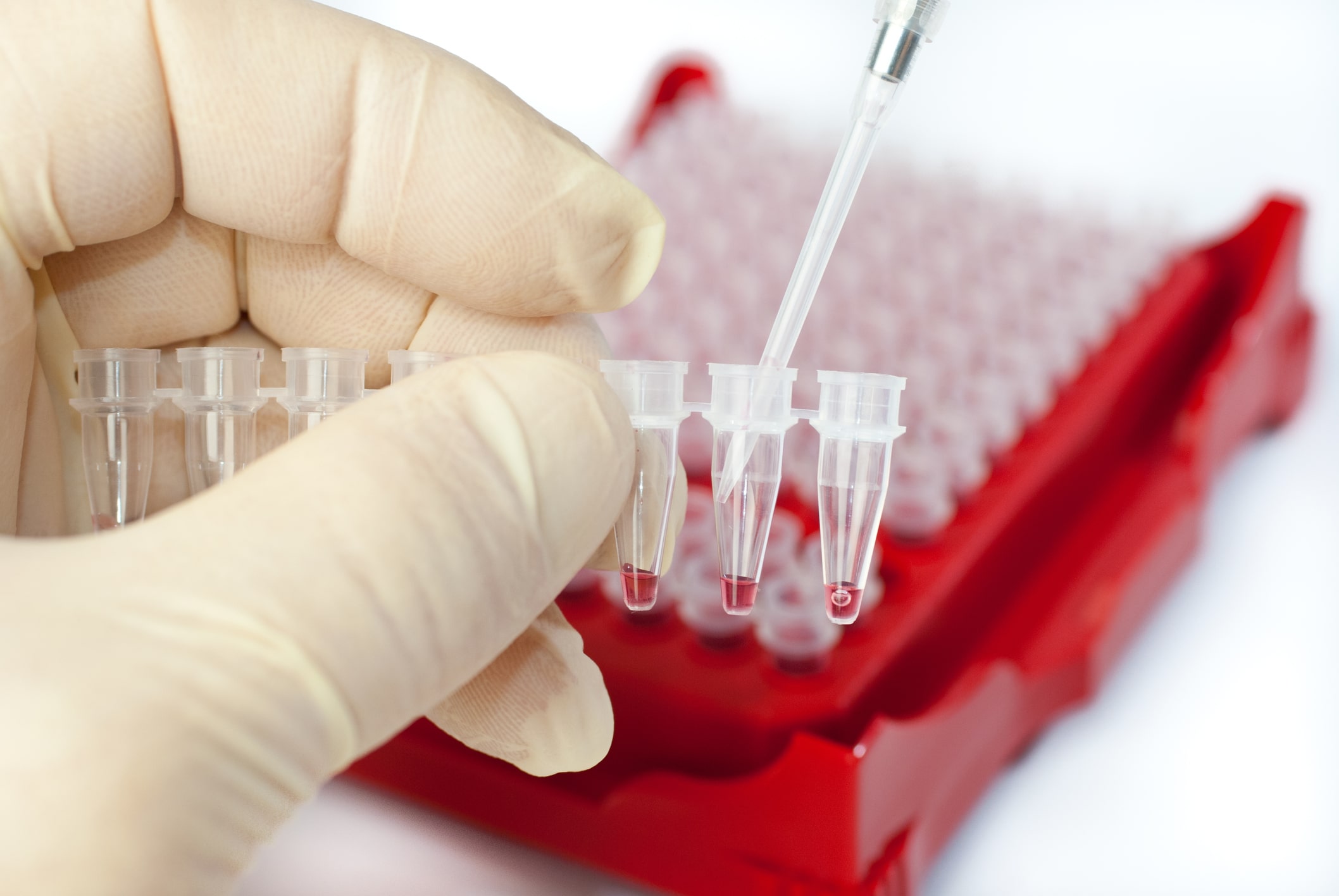
I examine the crime-lab bench notes, the calibration and validation records, and the statistical method used to decide whether a reported “match” truly points to you. Undermining that evidence can lead to suppression, reduced charges, or acquittal. I read this material myself — I hold a Master of Science in forensic DNA and serology and I am court-qualified in forensic DNA interpretation — and I bring in independent analysts to test the state’s conclusions in cases across Baton Rouge and South Louisiana. If DNA evidence is central to the charges against you, call 225-330-7009 for a confidential consultation.
What are the common grounds for challenging DNA evidence?
DNA can be challenged at nearly every stage. In a DNA-driven case I investigate each of these:
- Contamination. DNA transfers easily and can be introduced by accident at the scene, during collection, or in the lab.
- Chain-of-custody failures. Missing documentation or improper storage can compromise the integrity of a sample.
- Mixture and low-template DNA. With multiple contributors or trace amounts, interpretation becomes subjective and error-prone.
- Statistical exaggeration. How a random-match probability is presented can mislead a jury about what a “match” actually means.
- Secondary transfer. DNA can land on an object without the person ever touching it, undercutting the claim that a match proves presence.
- Lab error and bias. Accreditation does not guarantee accuracy; documented lab failures show that mistakes happen.
What is our approach to DNA challenges?
- Obtain the complete file. We demand the raw electronic data, bench notes, and validation records — not just the summary report.
- Retain independent experts. We work with respected forensic analysts to review the state’s conclusions.
- Reinterpret the data. Probabilistic genotyping can show that a “match” is far weaker than claimed.
- Litigate admissibility. Where methods are unreliable, we move to exclude the evidence.
- Make the science clear to the jury. We translate the analysis so jurors can see the reasonable doubt the DNA actually leaves open.
Frequently asked questions
Can DNA evidence really be challenged successfully?
Yes. DNA evidence is regularly challenged on grounds of contamination, interpretation error, and statistical overstatement. A successful challenge can lead to the evidence being excluded, to reduced charges, or to acquittal, depending on how central the DNA is to the state’s case.
What is secondary transfer?
Secondary transfer is when DNA moves from one surface to another without direct contact — for example, through a shared object or a handshake — so your DNA could appear somewhere you never were. It is one of the reasons a “match” does not, by itself, prove that a person was present at a scene.
Should I get an independent DNA expert?
In a DNA-driven case, an independent expert is often essential. We routinely retain qualified analysts to scrutinize the prosecution’s work, and because I read the raw data myself, I can direct that review to the specific points where the state’s analysis is weakest.
Related defense services
- Forensic DNA Litigation — our flagship DNA defense practice.
- Sex Crimes Defense — cases that frequently hinge on DNA evidence.
- Second Degree Murder Defense — homicide cases where DNA is often pivotal.
- Louisiana Criminal Defense — our full statewide practice.
Authoritative DNA resources
The National Institute of Justice publishes extensive material on the science and the limits of forensic DNA. Understanding those limits is central to any effective DNA challenge.
How The Ambeau Law Firm can help
Challenging DNA evidence takes more than legal skill — it takes genuine scientific fluency, and that is what sets this practice apart. We have helped clients across Louisiana confront and defeat overstated DNA claims.
Is DNA evidence being used against you? Two questions help us focus a first call: has an arrest already been made, and is this a state or federal matter? Check Jarrett’s availability for your case or call 225-330-7009 to speak with a DNA evidence challenge lawyer.
Related resources: work with a dedicated DNA attorney and explore our broader forensic science defense practice.