
Written by Jarrett Ambeau, trial attorney, court-qualified expert in forensic DNA interpretation, and holder of a Master of Science in forensic DNA and serology, at The Ambeau Law Firm.
What Does a DNA Attorney Do in a Louisiana Criminal Case?
A DNA attorney is a criminal defense lawyer who understands the underlying science of DNA typing and knows how to test it in a Louisiana courtroom. The state tends to present a DNA “match” as settled fact, but a result is only as sound as the collection, the lab work, and the statistical assumptions behind it. A DNA attorney reads the raw data, not just the report, and looks for contamination, mixture-interpretation calls, and overstated match statistics that a jury never hears questioned.
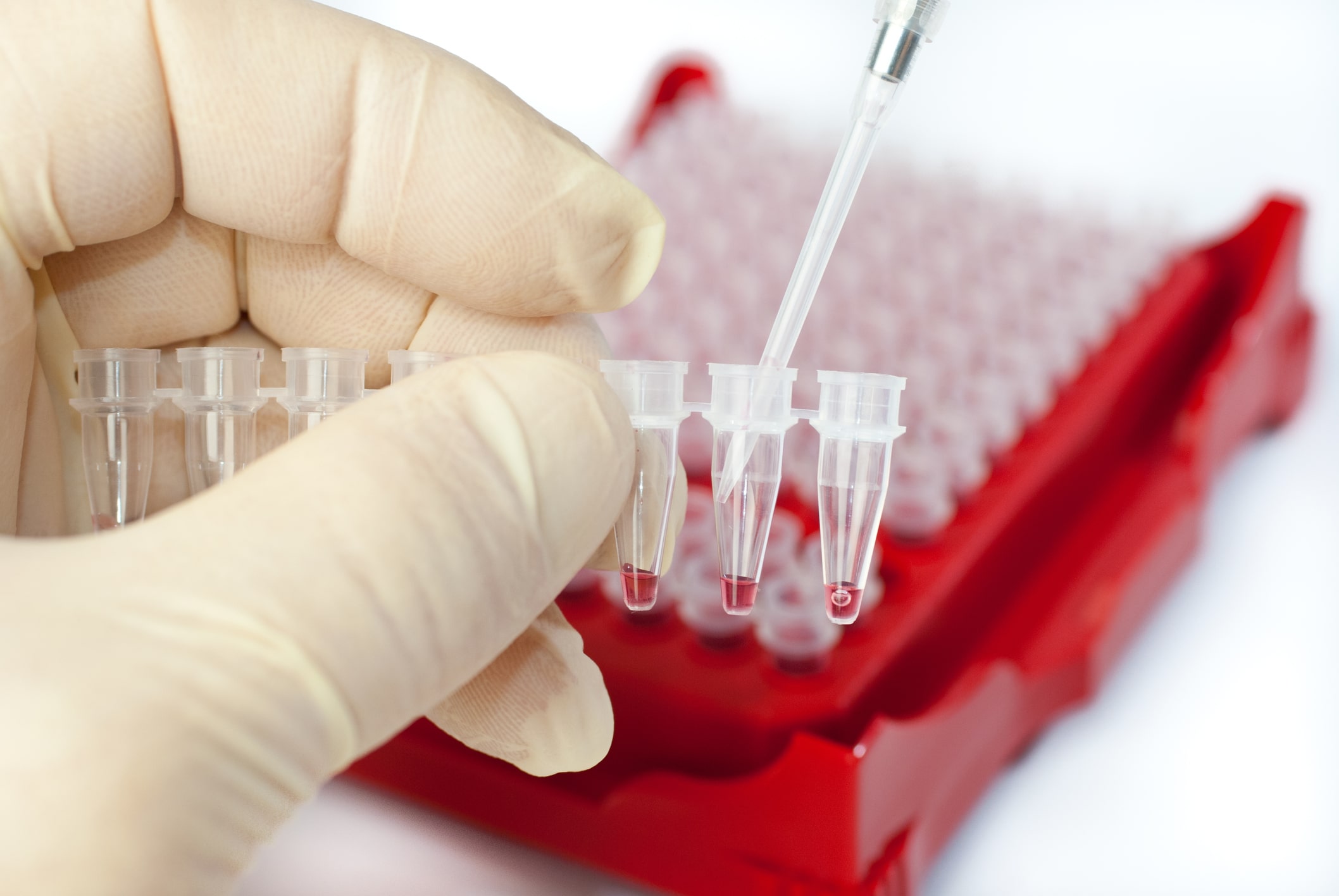
I built this part of the practice around the science. I hold a Master of Science in forensic DNA and serology and I am court-qualified as an expert in forensic DNA interpretation, so I read the electropherograms and the bench notes myself rather than taking the lab summary at face value. Whether the case is a sexual offense, a homicide, or a burglary, the way genetic material was gathered and analyzed often decides the outcome. To talk through how DNA evidence affects your case, call 225-330-7009 for a confidential consultation.
Why is DNA evidence not as certain as the state makes it sound?
Prosecutors present DNA as near-conclusive. In practice it is only as reliable as the people and the process behind it. I examine every stage of the analysis for error:
- Collection and handling. Samples can pick up stray DNA at the scene or in transport, introducing genetic material that was never part of the crime.
- Chain of custody. Gaps or errors in tracking a sample can make the result unreliable and, in some cases, inadmissible.
- Mixture interpretation. When more than one person’s DNA is present, the analyst makes subjective judgment calls that can be challenged.
- Statistical overstatement. Random-match probabilities are sometimes framed in ways that exaggerate how meaningful a “match” really is.
- Lab error and bias. Accredited labs are not immune to contamination, mistakes, or a pull toward the prosecution’s theory.
How does a DNA attorney challenge the evidence?
- Independent review of the raw data. We obtain the electropherograms and lab notes — not just the final report — and review them against validated standards.
- Challenging the methodology. We test whether the lab followed its own validated protocols and accepted industry practice.
- Cross-examining the analyst. Careful cross-examination surfaces the assumptions, shortcuts, and uncertainty the jury never heard.
- Retesting where sample remains. Independent retesting can confirm or contradict the state’s conclusions.
- Motions to exclude. Where the science is unreliable, we move to suppress or limit the DNA testimony.
Which cases turn on DNA defense most often?
DNA surfaces across a wide range of prosecutions — sex offenses, homicide, and second degree murder among them. In each, the line between conviction and acquittal can come down to whether the defense actually understands the forensic evidence. A general practitioner may accept the lab report as written; a lawyer who works in the science does not.
Frequently asked questions
Can DNA evidence be wrong?
Yes. DNA evidence can be compromised by contamination, mislabeling, mixture-interpretation errors, and lab mistakes. A reported result is not automatically reliable, and in a serious case it should be examined by someone who reads the underlying data rather than the summary alone.
Do I need a DNA attorney if the state already has a match?
Yes. A reported “match” is a statistical statement, not proof of guilt. An attorney who understands forensic DNA can test how that statistic was calculated, whether the profile was a mixture, and whether the handling of the sample holds up — any of which can change the weight of the evidence.
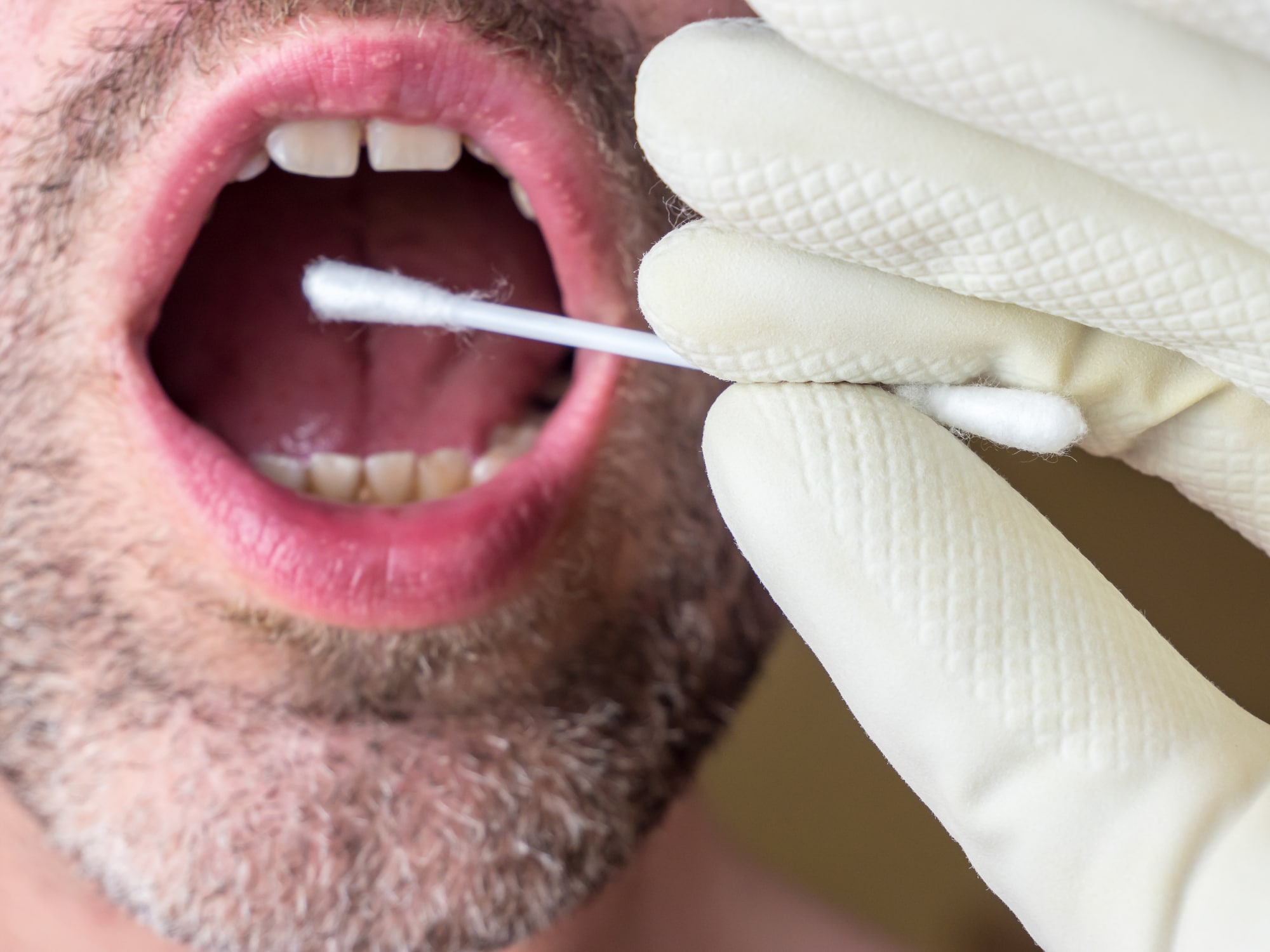
Can I get independent testing of the DNA?
Often, yes. Where sample material remains, the defense can seek independent retesting to verify or contradict the state’s findings. Preserving that opportunity is one reason to involve a DNA attorney early, before evidence is consumed or degraded.
Authoritative resources on DNA evidence
For background on how forensic DNA analysis works and its documented limits, see the National Institute of Justice at the U.S. Department of Justice. Understanding the science is the foundation of an effective defense.
How The Ambeau Law Firm can help
Few criminal defense attorneys have a genuine working command of forensic DNA. We do. We take apart the state’s DNA evidence, retain leading experts where the case calls for it, and translate complex science into arguments a jury can follow. You can explore our forensic DNA litigation work and our broader Louisiana criminal defense practice.
Facing charges involving DNA evidence? Two questions help us focus a first call: has an arrest already been made, and is this a state or federal matter? Check Jarrett’s availability for your case or call 225-330-7009 to speak with a DNA attorney who understands the science.
Related resources: our attorneys also handle challenging DNA evidence and broader forensic science defense. Learn more about the attorneys at The Ambeau Law Firm.