

The Issue
If you were wrongfully convicted and later exonerated in Louisiana, the law provides a path to compensation. But as a recent Fourth Circuit Court of Appeal decision makes clear, procedural technicalities can complicate that path if trial courts don’t handle the paperwork correctly. In State of Louisiana v. Betty Broaden, No. 2026-KA-0014 (June 11, 2026), the appellate court dismissed Broaden’s appeal for lack of appellate jurisdiction because the written judgment below was defective, and remanded the case to the trial court for a properly-issued judgment — her compensation claim was not rejected, and remains alive on remand. The case illustrates how critical proper judicial procedure is to protecting the rights of the exonerated. For anyone in Baton Rouge or elsewhere in Louisiana who has been wrongfully convicted and wants compensation, the Broaden decision is both a cautionary tale and a roadmap for what to watch for in your own case.
Background
Betty Broaden had her second-degree murder conviction vacated after the state and defense agreed the conviction was wrongful. Following her exoneration, she filed a petition for compensation for wrongful conviction under Louisiana Revised Statutes 15:572.8, a statute that recognizes the grave injustice of wrongful incarceration and provides monetary relief. The trial court held an oral hearing on the petition in October 2024, with the judge orally denying the petition and promising to issue written reasons and a judgment. However, months passed without a written judgment. In April 2025, Broaden filed a motion for entry of judgment and written reasons. On May 15, 2025, an ad hoc judge—a substitute judge assigned to fill in—issued the written judgment denying the petition. This seemingly routine procedural step became the central legal issue on appeal. Louisiana law requires that a judgment be signed by the judge who presided over the case. A successor judge can sign only under narrow circumstances, governed by La. R.S. 13:4209, which sets out strict procedural requirements. The Fourth Circuit found that the ad hoc judge’s judgment failed to comply with these requirements, and therefore the judgment was invalid and not appealable.
Strategic Implications
The Broaden decision has substantial implications for criminal defense attorneys working with exonerated clients. First, it underscores the importance of ensuring that trial courts enter complete and compliant judgments promptly after ruling on a wrongful conviction petition. If a trial judge denies or grants compensation, that judge must issue a signed judgment and written reasons. If the original judge becomes unavailable, a successor judge must comply with La. R.S. 13:4209, including a statement that the successor is not the judge who presided and confirmation that all statutory requirements were met. Second, the decision teaches that procedural defects can be fatal to an appeal. Even if Broaden’s substantive arguments on the merits of her compensation claim were strong, the procedural failure prevented the appellate court from ever reaching those merits. Third, for attorneys representing clients seeking wrongful conviction compensation, the lesson is clear: closely monitor compliance with post-judgment procedures, and move quickly to correct any defects. An attorney who notices a judgment is unsigned, incomplete, or issued by a non-compliant successor judge should file a motion for correction or a supplemental judgment before any appeal period runs. This case also underscores the importance of clear communication between the trial court and defense counsel about the procedural requirements for entering a valid, appealable judgment.
How Does This Apply in Louisiana?
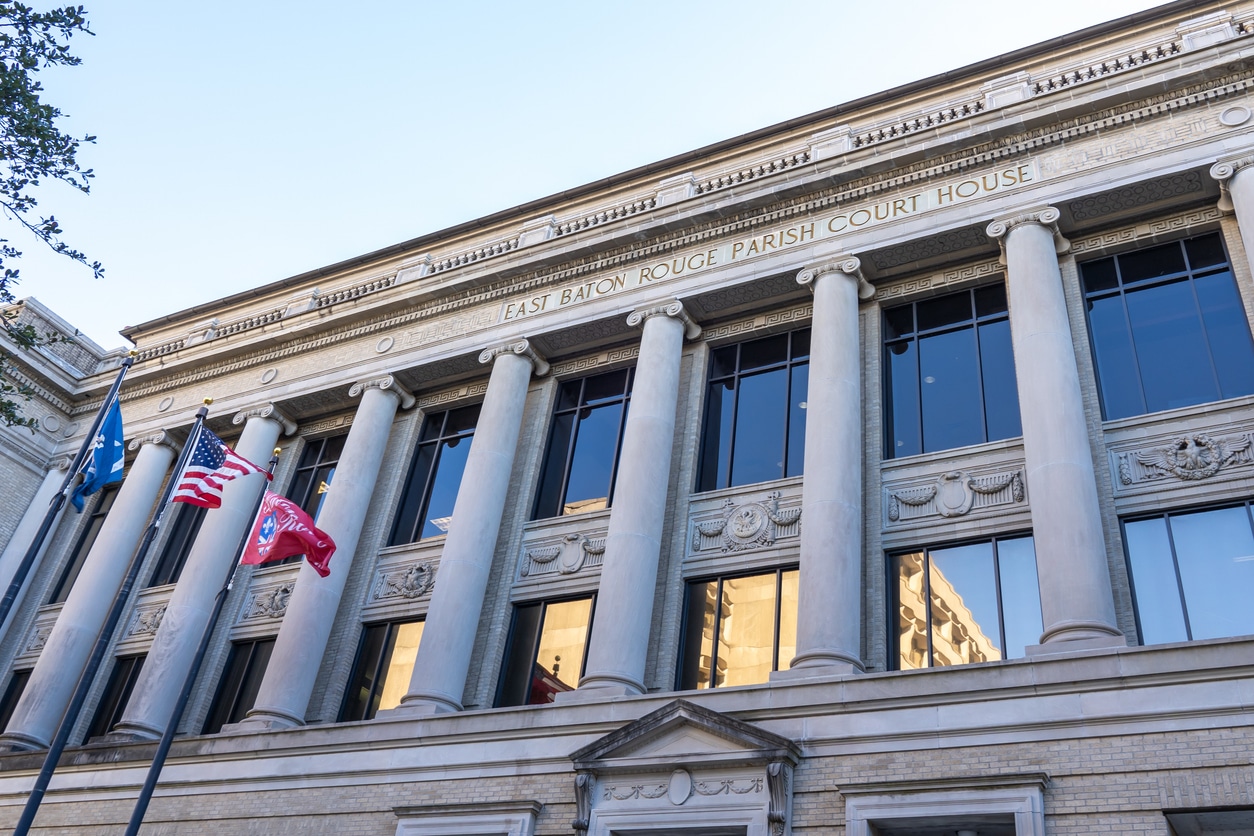
Louisiana Revised Statutes 15:572.8 provides the framework for compensation in wrongful conviction cases. To be eligible, a person must have had a conviction vacated and either the prosecution must have filed a motion of nolle prosequi (no prosecution), the person must have been acquitted on retrial, or clear evidence of innocence must have emerged. For convictions vacated before July 1, 2022, the statute authorizes compensation up to $250,000; a 2022 amendment raised the cap to $400,000 (or a $250,000 lump-sum election) for convictions vacated on or after that date, plus a supplemental award of up to $80,000, adjusted for various factors including the length of incarceration, the person’s age at conviction, and other circumstances. The trial court’s role is to hold a hearing, review the evidence, and render judgment on the petition. Once the judgment is rendered, it must comply with Louisiana Code of Civil Procedure Article 1911(A) (governing the signing of final judgments) and La. R.S. 13:4209 if a successor judge is involved. The Fourth Circuit’s decision in Broaden is binding on trial courts within its jurisdiction — Orleans, Plaquemines, and St. Bernard Parishes. East Baton Rouge Parish falls within Louisiana’s First Circuit, which is not bound by Broaden but could look to it as persuasive authority on the same judgment-signing requirements. For practitioners in Baton Rouge or elsewhere in Louisiana working on wrongful conviction compensation, the takeaway is that procedural compliance is not discretionary. Every judgment must be signed, dated, and issued by the correct judge or by a properly-qualified successor. If the trial judge cannot issue the judgment, that must be documented. The written reasons must address the merits, not just the conclusion. An incomplete or procedurally defective judgment can be the sole barrier between a client and both a favorable decision and appellate review of an unfavorable decision.
Frequently Asked Questions
Am I eligible for wrongful conviction compensation in Louisiana?
You may be eligible under La. R.S. 15:572.8 if your conviction was vacated & the district attorney filed a motion of nolle prosequi (no prosecution) or you were acquitted on retrial, or if compelling evidence of innocence comes to light after conviction.
How much money can I receive for wrongful conviction?
Louisiana law provides compensation of up to $250,000 for a wrongful conviction, or more in certain circumstances. The amount depends on how long you served, your age when convicted, & other statutory factors outlined in La. R.S. 15:572.8.
What procedural issues can delay or prevent compensation?
Trial court judgments must be properly signed by the judge who presided over the case. If a successor judge issues a judgment without proper compliance with La. R.S. 13:4209, the judgment may be invalid & the appeal may be dismissed for lack of jurisdiction.
What should I do if my wrongful conviction petition is denied?
If a trial court denies your petition, you have the right to appeal. However, ensure the judgment is properly signed & complete, with written reasons. Procedural defects in the judgment itself can prevent appellate review.
Can a Baton Rouge criminal defense attorney help with a wrongful conviction claim?
Yes. An experienced criminal defense attorney can help you file a petition under La. R.S. 15:572.8, gather evidence of innocence, navigate the procedural requirements, & represent you in appeals if your petition is denied.
Conclusion
Broaden’s case shows that winning exoneration is only the first step. Securing compensation requires not just strong evidence of innocence, but also rigid adherence to procedural rules. If you have been exonerated and are pursuing compensation, work closely with an attorney who understands both the substantive law of wrongful conviction and the procedural requirements that can make or break your claim.